_WHEN DEVELOPMENT STALLS, COMPLEXITY INCREASES OR DECISIONS ARE MISSING
What we do
Many IoT and digital transformation projects don’t fail because of the idea, but because of execution. Unclear requirements, poor technology choices, lack of transparency throughout the project, or a disconnect between hardware, software and platform thinking can lead to systems that are unstable, don’t scale, or never run reliably in production. This is where our consulting and analysis offering comes in.
We support companies in an independent, advisory role by analyzing, structuring and guiding IoT and digital projects — even when the actual development is already being carried out by another service provider. Our focus is to make root causes visible, prepare decisions on a solid basis, and get projects back to a state where they can move forward.
Typical situations where we support
-
An existing IoT or software project isn’t working as planned
-
Development has started, but results are not materializing
-
Requirements are unclear or contradictory
-
Hardware, firmware, platform and cloud don’t fit together cleanly
-
Technology decisions were made early and later prove problematic
-
External service providers deliver, but progress and quality are hard to assess
In these situations, we take on a structuring, mediating and steering role.
_practical example
An internationally operating company planned a digital transformation project in the Middle East and sought independent consulting to assess the current state of development. The goal was to understand which parts of the planned solution were viable, where technical and organizational risks existed, and which assumptions needed to be validated.
Over several months, the engagement was primarily remote, complemented by targeted on-site visits. Through workshops and alignment sessions, existing architectures were analyzed, requirements refined, and decision foundations created for the next implementation steps. The focus was not on taking over development, but on structure, transparency and clarity.
The result was a solid basis to continue the project: a shared understanding of project status, identified risks and concrete next steps. Technical implementation remained with the existing partners, while the consulting support helped make the project manageable again.

_Our range of services focuses on:

_Analysis of existing developments
We analyze existing systems, architectures and development status by assessing hardware, software and platforms holistically. We review architectural decisions and technical dependencies and identify bottlenecks, flawed assumptions and risks. A key part of the analysis is understanding why systems are unstable, don’t meet performance expectations or cannot scale. The goal is not blame, but transparency and robust decision foundations.

_Analysis of existing developments
We analyze existing systems, architectures and development status by assessing hardware, software and platforms holistically. We review architectural decisions and technical dependencies and identify bottlenecks, flawed assumptions and risks. A key part of the analysis is understanding why systems are unstable, don’t meet performance expectations or cannot scale. The goal is not blame, but transparency and robust decision foundations.
_Technical & Strategic consulting
We advise on fundamental questions around IoT and digital projects. This includes evaluating which technologies make sense for a specific use case and which architecture best supports long-term goals. We analyze the role of cloud, edge, connectivity and operations, and show where dependencies arise and how they can be avoided or reduced. Our consulting is vendor- and provider-independent.


_Technical & Strategic consulting
We advise on fundamental questions around IoT and digital projects. This includes evaluating which technologies make sense for a specific use case and which architecture best supports long-term goals. We analyze the role of cloud, edge, connectivity and operations, and show where dependencies arise and how they can be avoided or reduced. Our consulting is vendor- and provider-independent.
_Requirements & Structure
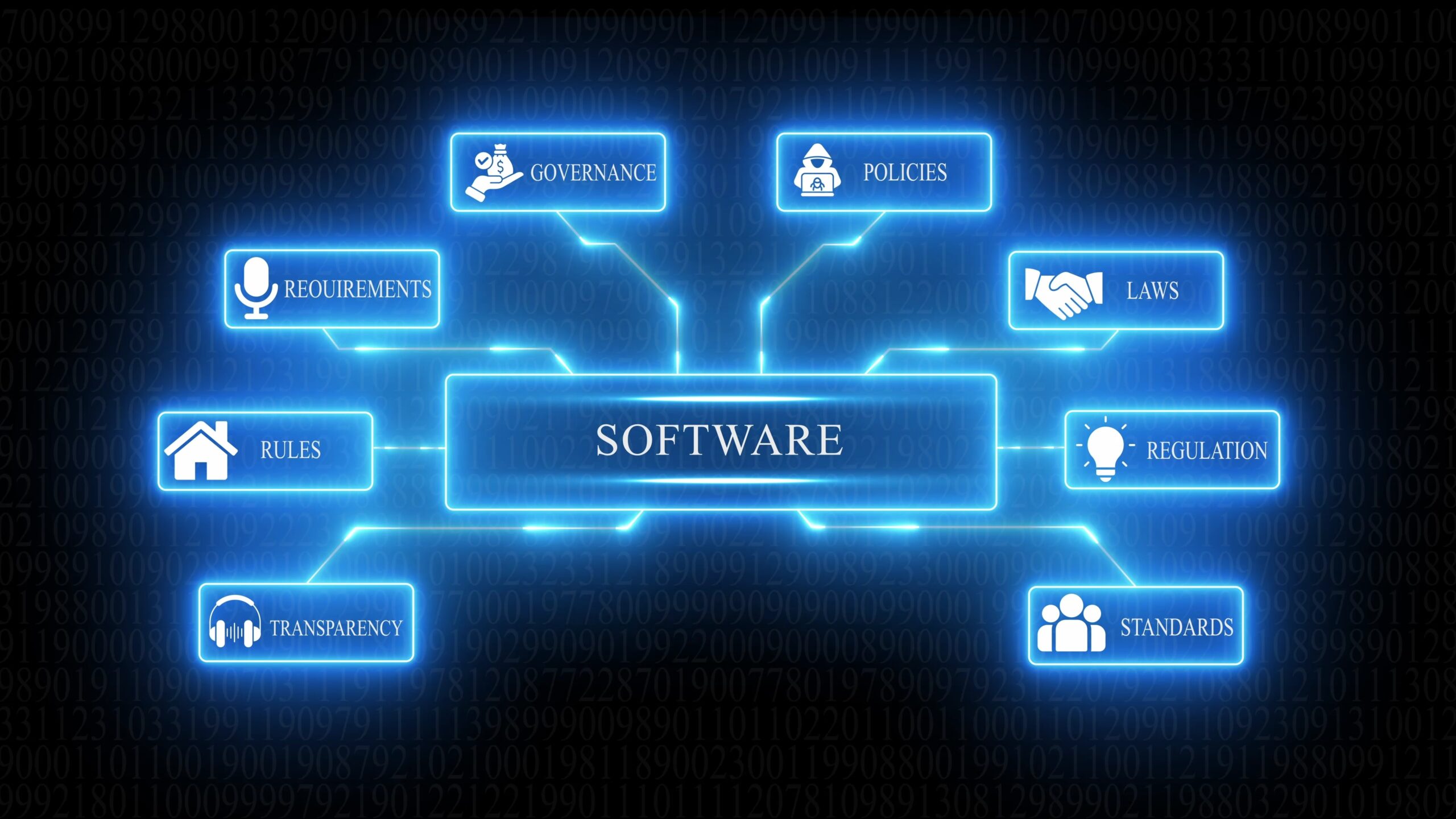
Unclear requirements are among the most common causes of failing projects. We support the structuring and sharpening of requirements, translate business goals into technical requirements, and define clear acceptance criteria. We also help prioritize features and roadmaps to create a shared, traceable foundation for all stakeholders.
_Requirements & Structure
Unclear requirements are among the most common causes of failing projects. We support the structuring and sharpening of requirements, translate business goals into technical requirements, and define clear acceptance criteria. We also help prioritize features and roadmaps to create a shared, traceable foundation for all stakeholders.
_Ongoing project & Process governance
On request, we accompany ongoing projects as an independent instance. We monitor progress, quality and risks, technically assess deliverables from external service providers, and moderate between business units, development teams and management. We support decisions and course corrections when necessary. Development remains with the existing provider — but responsibility for structure and clarity does not.

_Ongoing project & Process governance
On request, we accompany ongoing projects as an independent instance. We monitor progress, quality and risks, technically assess deliverables from external service providers, and moderate between business units, development teams and management. We support decisions and course corrections when necessary. Development remains with the existing provider — but responsibility for structure and clarity does not.
Contact

_This offer is suitable for
-
Companies with ongoing or planned IoT projects
-
Organizations working with multiple service providers or internal teams
-
Decision-makers who want to better understand technical risks
-
Projects where “something feels off,” but no one can clearly pinpoint it
_Why this approach works
IoT and digital projects are complex. The later structural issues are identified, the more expensive they become. Independent analysis and ongoing consulting support:
-
reduces misalignment and rework
-
improves decision quality
-
saves time and cost
-
increases the likelihood that projects reach stable production operation